Introduction
A tower above the rooftops, music shops on the slope and streets worth following beyond the familiar photograph.
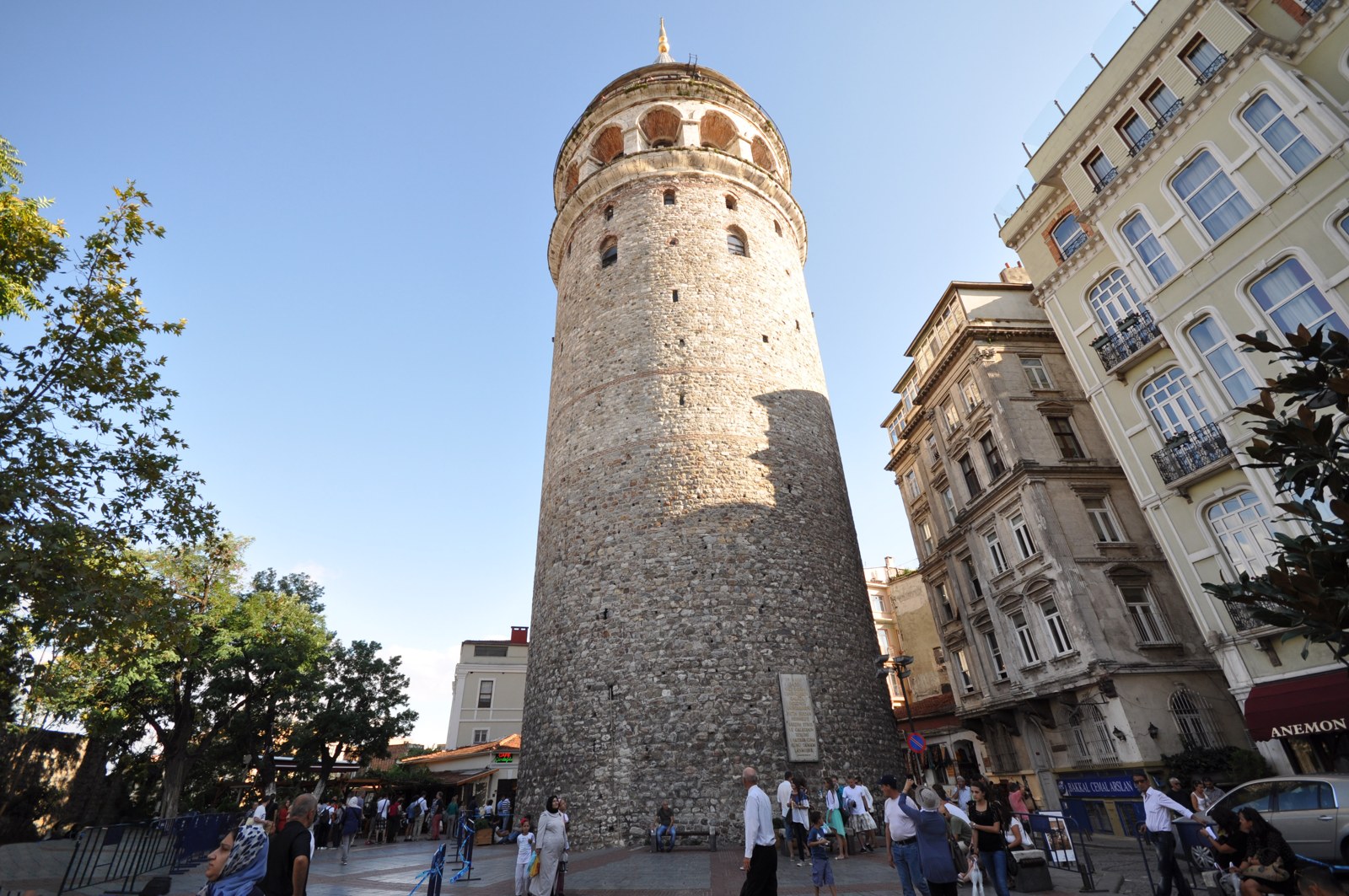
Galata's tower is easy to recognise before you arrive. What photographs leave out is the pleasure of approaching it: the rising streets, shop windows and sudden changes in perspective as the buildings give way. The tower makes a fine introduction to the neighbourhood, but Galata becomes more interesting when there is time to look away from it.
A visit can bring together the view from above, the instrument shops of Galip Dede Caddesi and a slower browse along Serdar-ı Ekrem. The Galata Mevlevihanesi adds a cultural story with more depth than a passing glance can provide. Lunch or coffee then has somewhere to fit, rather than becoming something to squeeze between landmarks.
Where Galata sits
Galata occupies the hillside above Karaköy, within the wider district of Beyoğlu. The waterfront is below; Tünel and the southern end of İstiklal Caddesi are above. This explains both the neighbourhood's appeal and its practical complication: short distances can involve a considerable slope.
The tower is the simplest reference point, with Galip Dede leading uphill towards Tünel and side streets branching away from the busiest approach. Coming from Şişhane or Tünel allows more of the exploring to happen downhill. Arriving through Karaköy gives a stronger sense of the hill rising from the port. Either is a good beginning, depending on how you enjoy walking.
Deciding whether to visit Galata Tower
Galata Tower was built by the Genoese in the mid-fourteenth century as part of the area's fortifications. Later uses included a prison and fire lookout; today it operates as a museum. That history is useful to carry into the visit, even if the immediate attraction is the panorama.
Going inside makes most sense when you are keen to understand Istanbul's geography from above. After crossing between neighbourhoods at street level, seeing the waterways and rooftops together can be particularly satisfying. The view is the reason to prioritise the visit; a queue or poor visibility may change how appealing it feels on the day.
The official listing currently shows daily opening and a separate evening museum session. Ticket categories and session arrangements should be checked for the intended visit. Older accounts of a restaurant inside the tower are out of date: the museum's history records the removal of the café in its 2020 conversion. Current tower details Official information ↗
The surrounding streets are worthwhile without an admission ticket. A café or shop farther from the immediate square can also make a more comfortable place to linger than the busiest stretch of the approach.
Galip Dede and the music shops
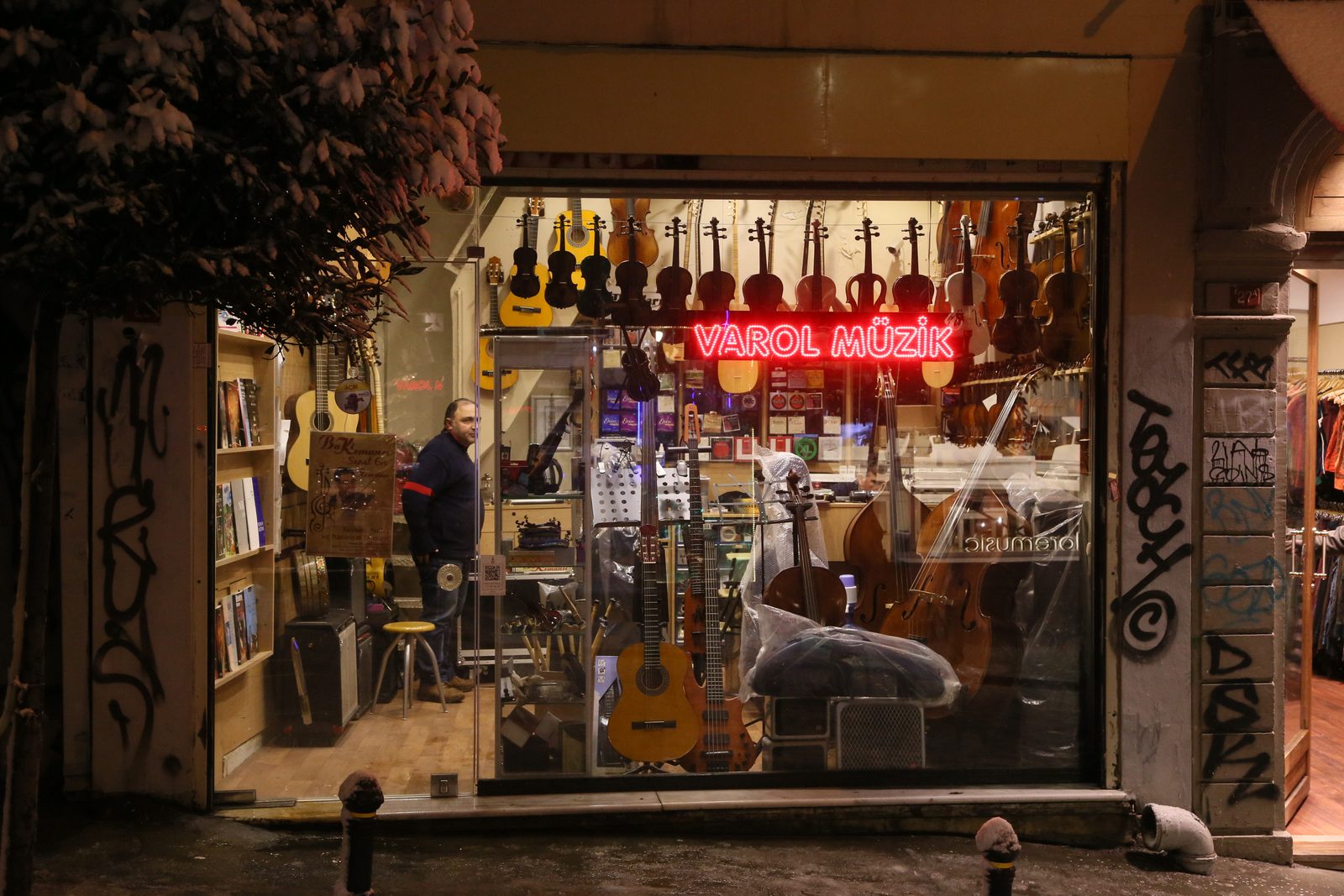
Galip Dede Caddesi runs between the tower area and Tünel. Its instrument shops give this part of the walk a subject beyond architecture: guitars, traditional instruments and sound equipment occupy windows along a street where music is also a trade.
It is a good stretch for curious browsing, whether or not you play. Someone considering an instrument has a reason to slow down and ask questions; everyone else can enjoy the way a particular business gives a street its character. These are working shops, so permission matters before trying an instrument or photographing the interior.
At the upper end, Tünel marks the transition towards İstiklal and the wider cultural circuit of Beyoğlu. It is an easy continuation, though Galata itself deserves more than being treated as the road between two stops.
Galata Mevlevihanesi
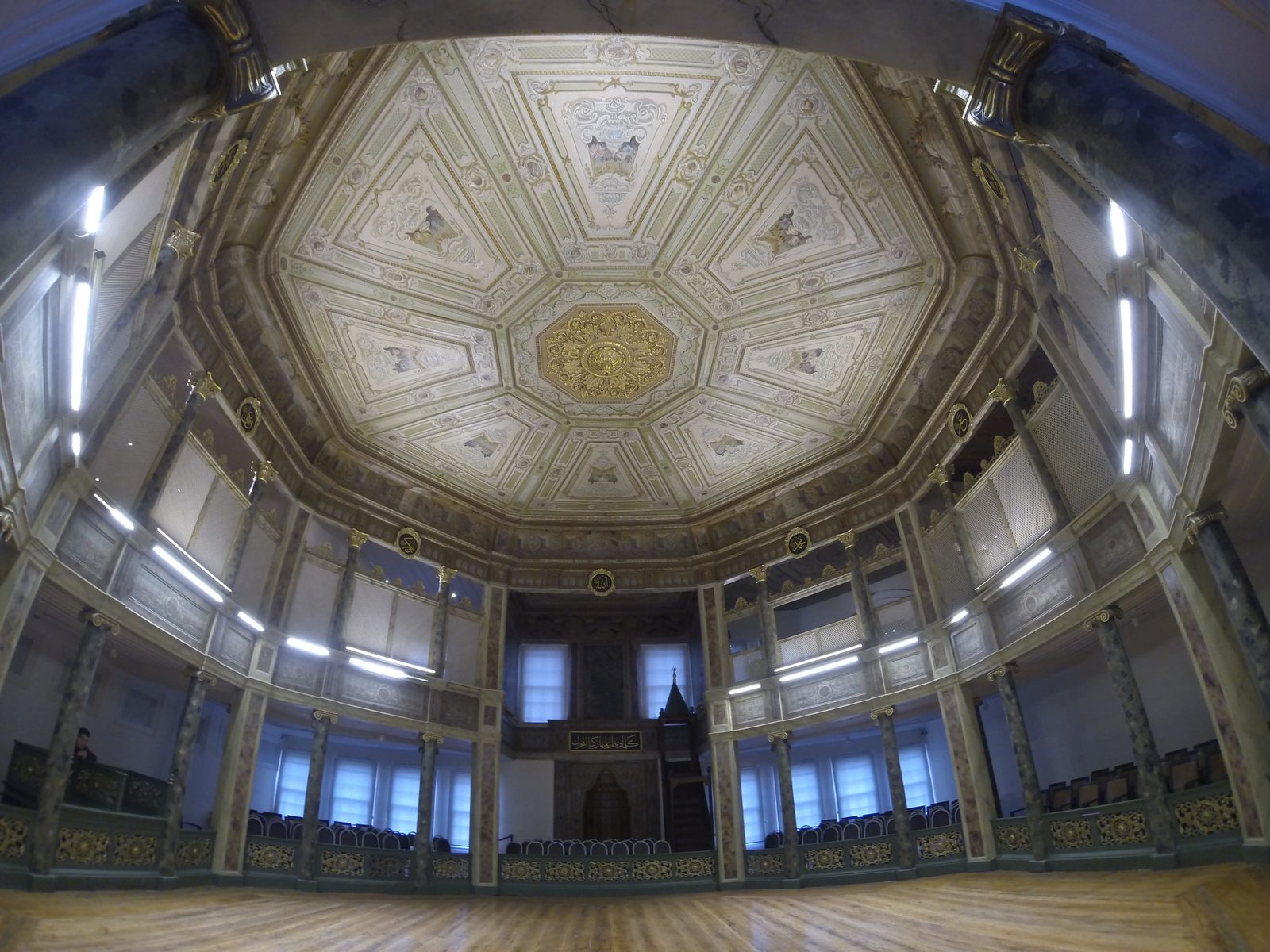
Near Tünel, the Galata Mevlevihanesi introduces the history of the Mevlevi order through a former dervish lodge founded in 1491. Its setting and collections connect religious life with poetry, music and calligraphy. For a visitor interested in Ottoman culture, it offers a more intimate subject than a palace or major imperial mosque.
Check the official museum page before making a dedicated visit. Access to the semahane, collections, tombs and garden can change during restoration or exhibition work; do not assume that every part of the site will be open. Official museum access notice Official information ↗
A museum visit also does not guarantee a sema ceremony. Anyone hoping to attend one should look for an actual dated programme and confirmed venue, rather than build an evening around an old travel-blog schedule.
Serdar-ı Ekrem and the side streets
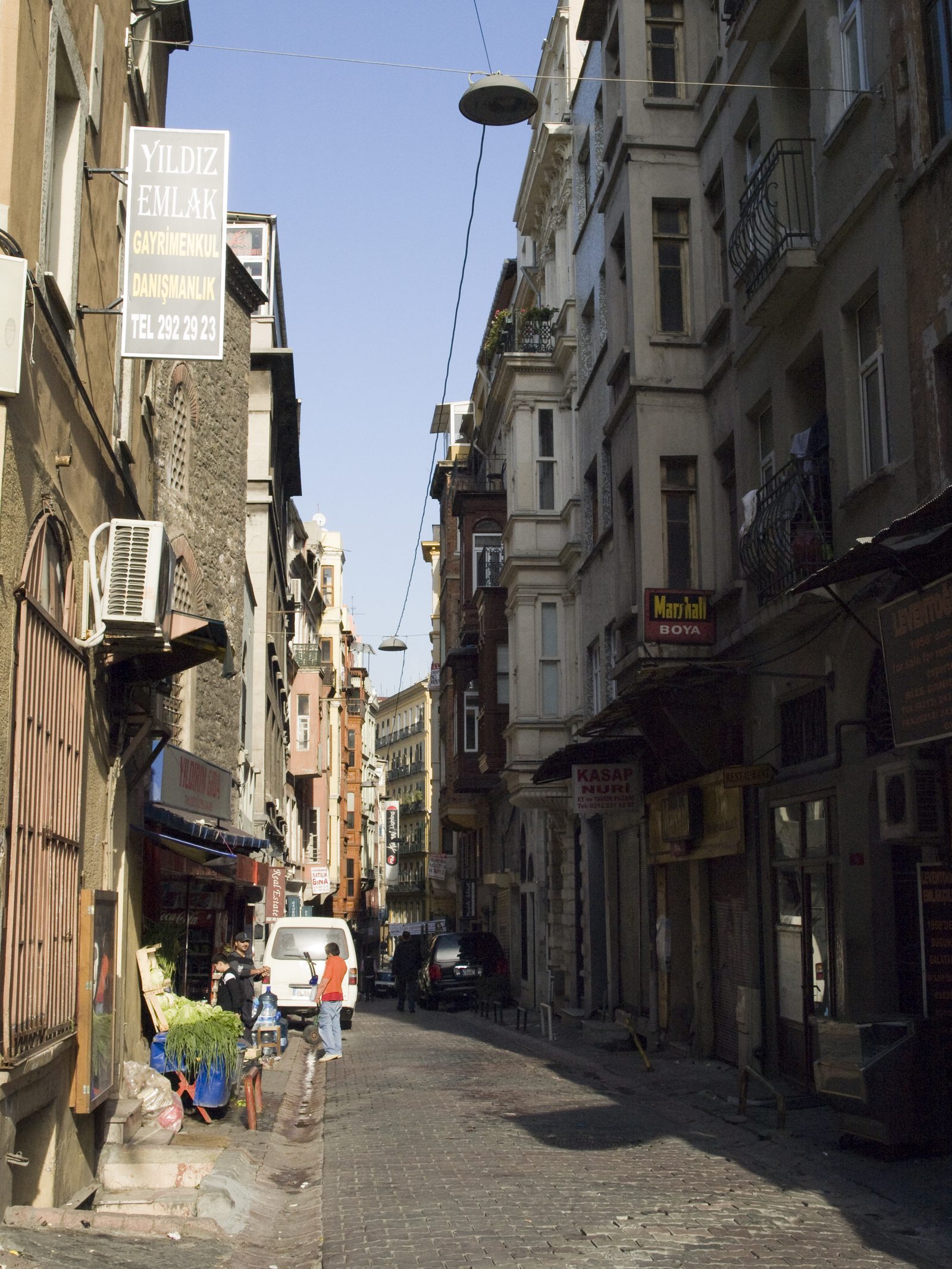
Serdar-ı Ekrem gives the visit another direction, with boutiques and an opportunity to pay closer attention to the buildings between shops. It is an inviting place to browse without a fixed list. The individual shops will change; the pleasure is choosing what catches your interest.
A short detour here can be enough, or it can become the longest part of the afternoon. Looking up from the shopfronts brings the upper façades into the visit, while a coffee gives you time to enjoy the street without continually moving through it. Residential entrances still belong to the people who use them; a good photograph need not involve stepping into a doorway.
For food, Galata works well with an appetite-led plan. Breakfast may occupy a substantial part of a morning, while a simple lunch leaves room for a bakery or dessert stop later. A rooftop table is worth choosing for a view you actually want, with the menu and any booking conditions checked first. A familiar tower in the background is only one part of a good meal.
Arriving and continuing
The M2 metro's Şişhane station serves the upper side of the neighbourhood. From Karaköy, the F2 Tünel climbs to Beyoğlu near the lower end of İstiklal. Tünel is a two-stop connection, so reaching the tower still involves a walk. M2 line information and İETT's Tünel page provide service details. Official information ↗ · Official information ↗
From the waterfront, walking uphill through the Bankalar area is an appealing approach for anyone comfortable with the gradient. The Kamondo Steps belong to that connection. Salt Galata is also down on Bankalar Caddesi, despite the name suggesting it might be beside the tower.
Galata's slopes, steps and uneven surfaces make it unsuitable to describe as a verified step-free outing. Comfortable shoes help, and a wet day makes the descent worth taking more gently. For a longer visit, continuing uphill brings the museums and side streets of Beyoğlu; heading down returns to Karaköy's ferries and shore. After a little time here, the tower becomes a useful point of recognition wherever you go next.
Opening times, admission and transport services can change. Check the linked official information before making a dedicated visit or booking.


.jpg)

