Introduction
From Sultanahmet’s great interiors to Beyoğlu’s side streets and the ferry to Kadıköy, a first visit with room for discovery.
The pleasure of a first visit to Istanbul is how quickly the scale changes. A dome fills your field of vision; a few streets later, you are choosing something from a bakery window or watching a ferry ease away from the quay. The monuments matter, and so do these ordinary intervals. This three- day route gives each part of the city room to leave an impression.
The first day belongs to Sultanahmet and the historic peninsula. The second follows the streets from Karaköy through Galata into Beyoğlu. The third crosses to Kadıköy and continues towards Moda. These are neighbourhood days, with a main visit to give them shape and enough space around it for lunch, a shop that catches your eye or a longer conversation over coffee.
Day 1 Sultanahmet and the historic city
Sultanahmet gathers several versions of Istanbul into a small area: the open ground of the former Hippodrome, the Blue Mosque, Hagia Sophia and the palace grounds beyond. It rewards a morning with one main focus. Hagia Sophia offers the drama of a single great interior; Topkapı opens into a longer exploration of Ottoman court life. Afterwards, lunch and the streets towards Gülhane and Sirkeci give the day a different scale.
Hagia Sophia
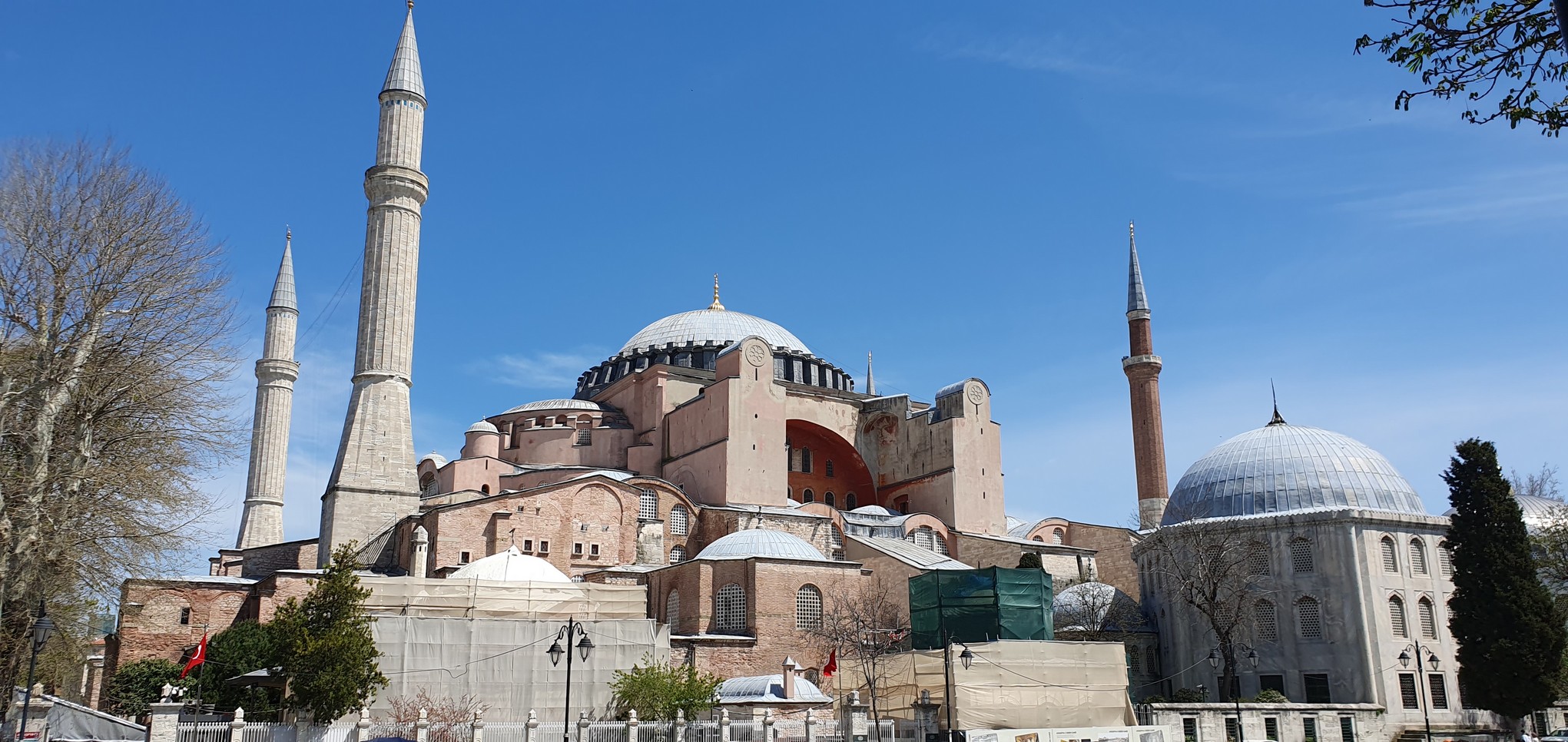
Hagia Sophia’s sixth-century architecture is a direct encounter with Byzantine Constantinople. Its appeal begins with the building itself: the proportions of the interior, the surviving Byzantine mosaics and the relationship between the gallery and the vast space below. It is a strong first choice for someone whose curiosity is architectural, or who would rather absorb one remarkable place than move through an extensive collection. Official information ↗
The cultural-visitor gallery and the worship entrance are separate. That distinction matters to the experience: a gallery ticket does not mean unrestricted access to the prayer floor. The Ministry’s explanation of the visitor route also describes multilingual interpretation through a phone and headphones. An independent visit can be rewarding, with a little background reading or a guide adding context to what you see. Official information ↗
Restoration is ongoing, so the view on the day may differ from older photographs. Even so, Hagia Sophia remains a compelling way into the city’s layered history. Official information ↗
Topkapı Palace
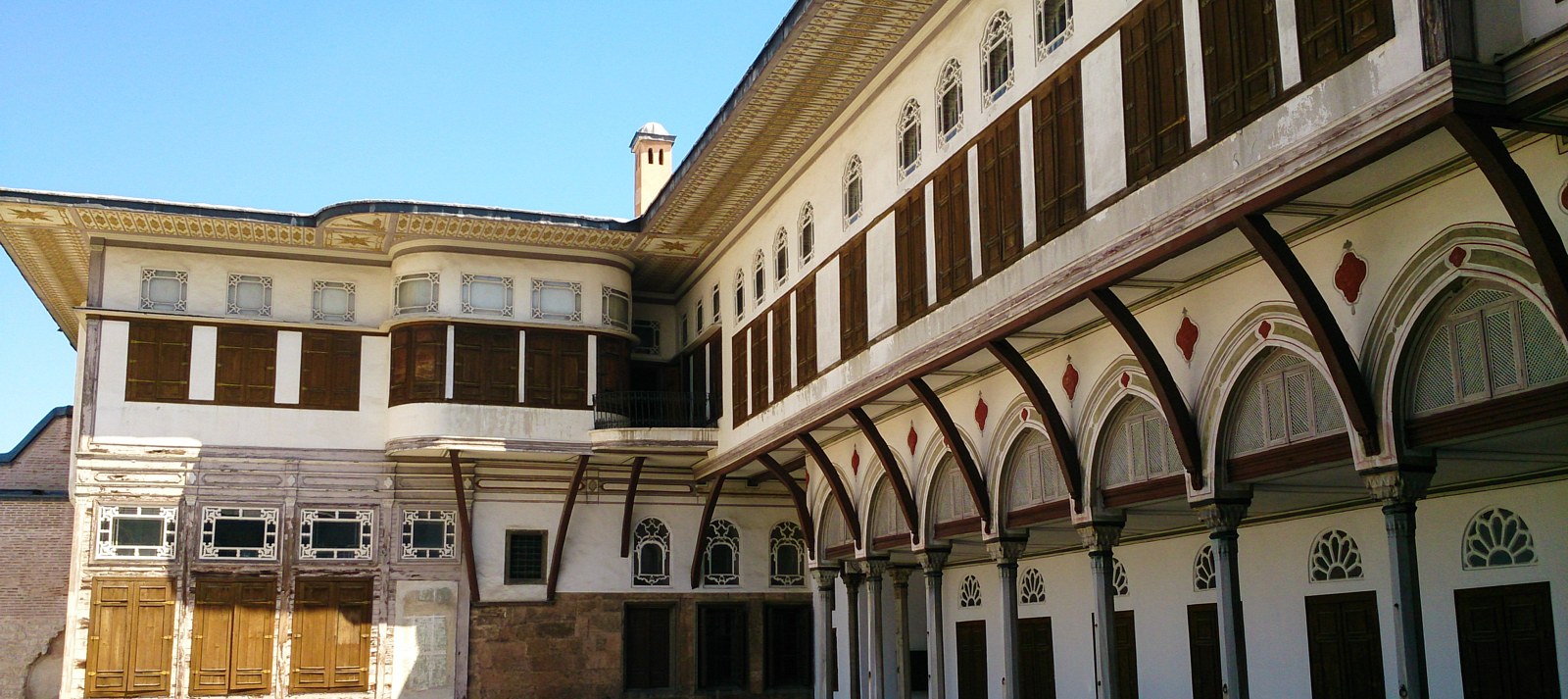
Topkapı offers a different kind of encounter. For nearly four centuries it was both a royal residence and a centre of Ottoman government, education and art. The palace unfolds through courtyards, rooms and pavilions, with the movement between them forming part of the visit. Its organisation reveals a world of ceremony, work and private life, as well as the objects now displayed in its collections. National Palaces history and visitor information Official information ↗
The Harem adds another perspective, while the gardens and outlooks reward attention of their own. This is the better choice for a substantial palace morning, especially if Ottoman history is a particular interest. For planning, roughly one to two hours suits a Hagia Sophia visit, while Topkapı merits half a day, with queues additional. Either makes a full morning’s main visit.
From Gülhane to the waterfront
Lunch is a welcome change of subject after either visit. Around Sultanahmet and on the approach to Gülhane, a simple meal leaves room for the afternoon: a soup, something from the day’s menu, then tea before returning to the streets. A particular restaurant may be worth planning around, but this part of the day also suits a decision made over a menu.
Gülhane was once part of the palace gardens. Today its paths offer a softer setting for the history just encountered inside. Beyond the park, the route towards Sirkeci gradually returns to the movement of the working city. By Eminönü, ferries, passengers and the Golden Horn have taken over the scene. The waterfront is a satisfying place to let the afternoon linger, watching arrivals and departures rather than adding another admission ticket.
The nearby Basilica Cistern offers a further glimpse of the old city beneath its streets. Its low light and columned interior make it a distinct experience, particularly for visitors who chose the shorter Hagia Sophia visit. It works as an optional addition, with separate admission through the cistern’s own website. Official information ↗
A relaxed version of this day is simply one great interior, lunch and Gülhane. The fuller version continues through Sirkeci to Eminönü, or adds the cistern. Either leaves the historic city with some room around its landmarks.
Day 2 Karaköy Galata and Beyoğlu
Across the Golden Horn, Istanbul rises in streets. Karaköy is a good place to begin over coffee before following the slope towards Galata and Beyoğlu. Here the interest lies as much between destinations as inside them: a doorway, a shop window, the way a street bends around a building. Art spaces give the walk a few places to pause and look more closely.
Bankalar Caddesi and Galata
Salt Galata occupies the former headquarters of the Imperial Ottoman Bank, opened in 1892. The building gives Bankalar Caddesi’s financial history a tangible presence; its public exhibitions bring contemporary questions into that setting. A visit offers the pleasure of seeing an older building used for a different kind of public life. Salt’s account of the building Official information ↗
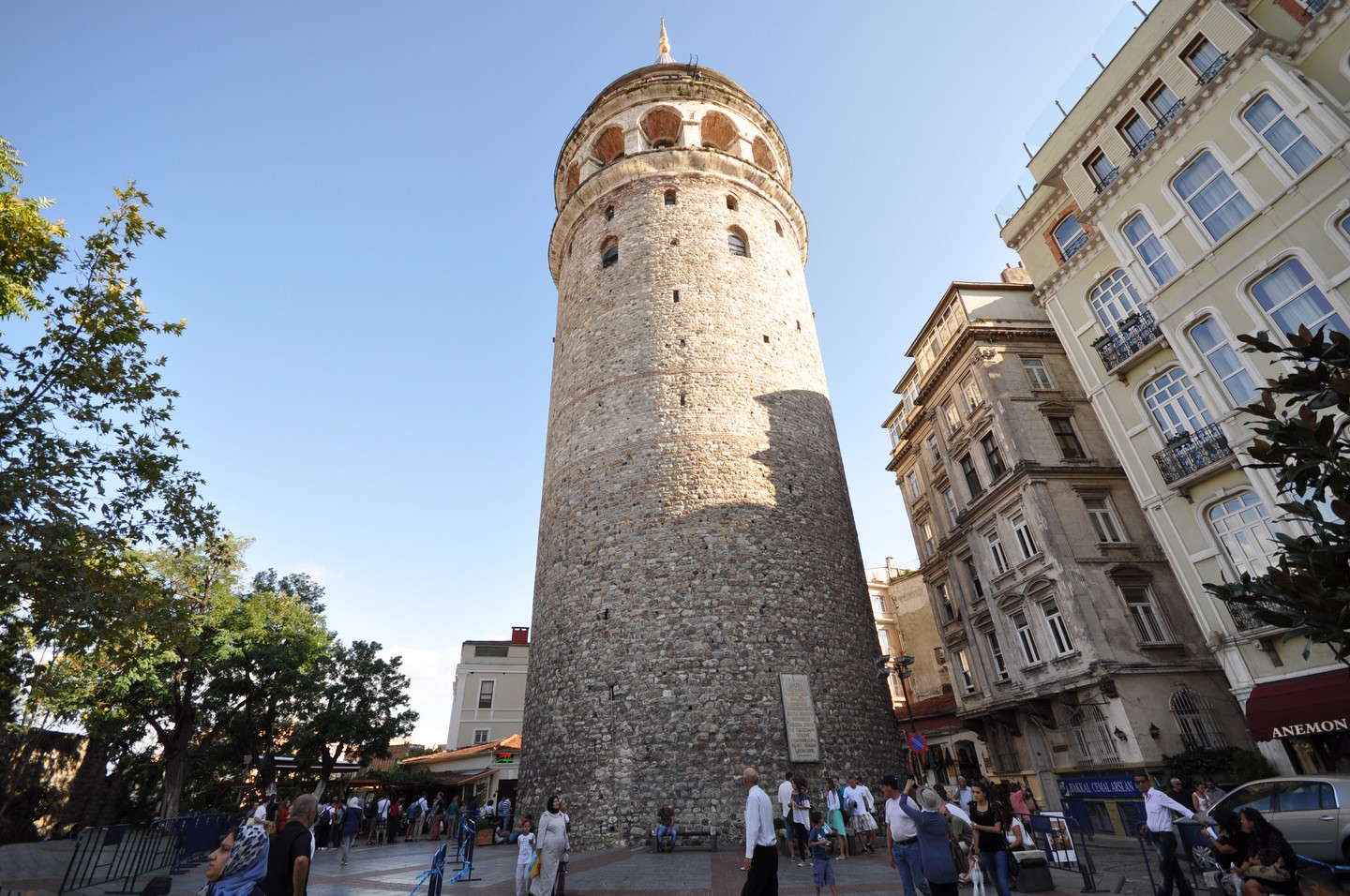
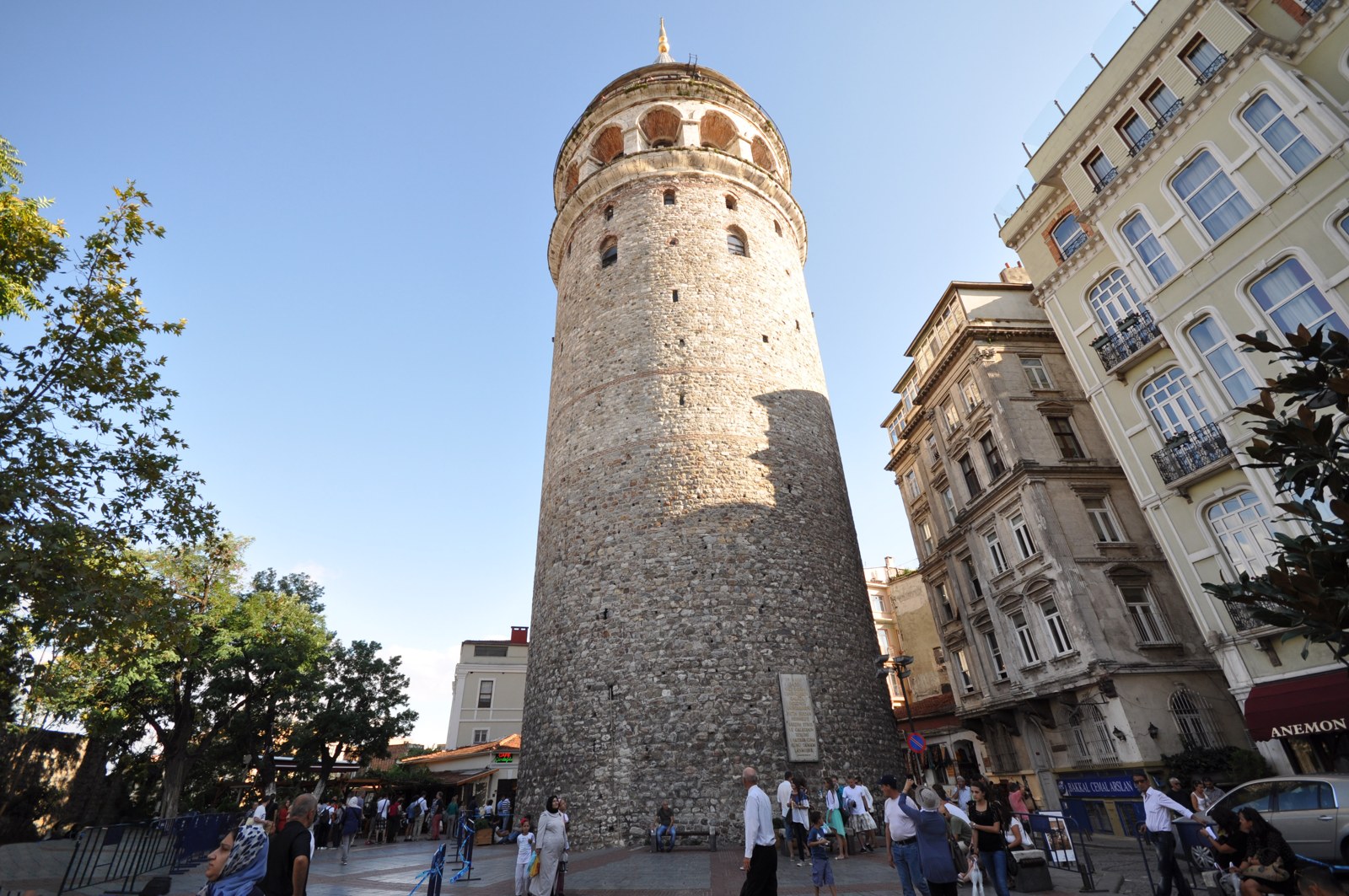
Above it, the streets draw towards Galata Tower. Seen from below, the tower is a useful landmark around which to explore the neighbourhood. This route enjoys it from the street, leaving the decision to climb for a visit when the view and the current admission arrangements appeal. The surrounding walk has enough interest to stand on its own.
Galata also makes a natural lunch stop before continuing towards the lower end of İstiklal. The F2 Tünel connects Karaköy with Beyoğlu, offering another way of approaching the upper streets. Official information ↗
Pera and the streets around İstiklal
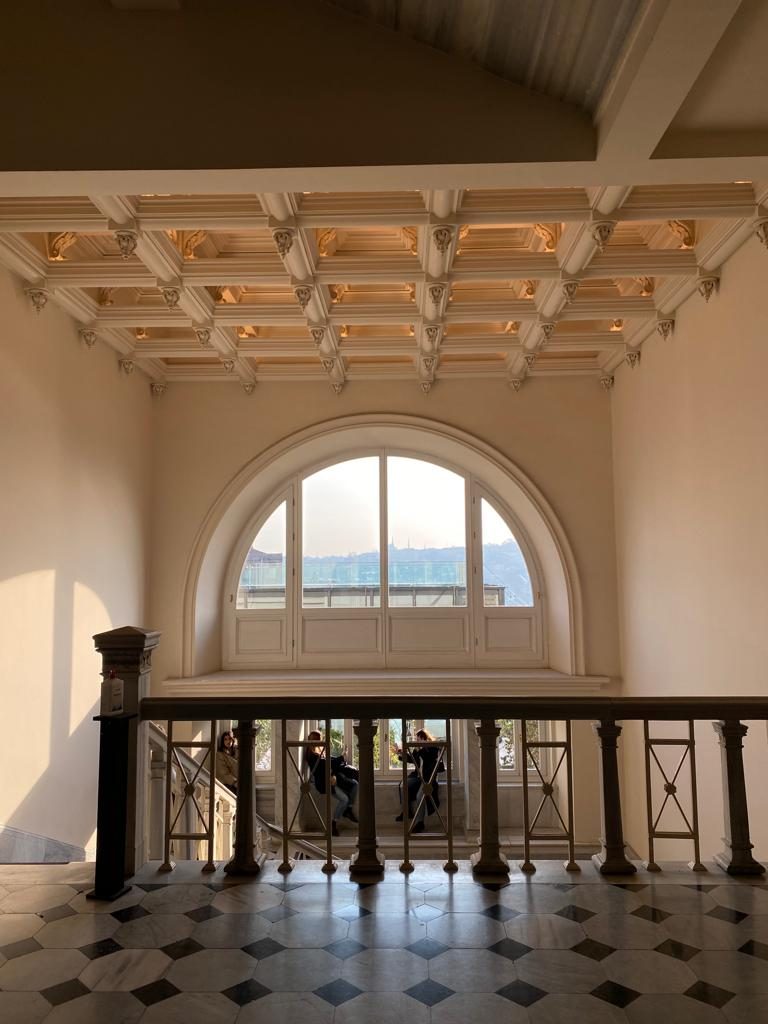
Pera Museum gives the afternoon a cultural focus. Its Orientalist Painting Collection includes European and Ottoman artists, among them Osman Hamdi Bey, and opens an interesting question for a visitor: how has this part of the world been pictured, and by whom? The collection is shown through changing thematic selections, alongside the museum’s other exhibitions. Pera’s collection introduction Official information ↗
Outside, İstiklal offers a busier rhythm. A short stretch can lead to an absorbing afternoon when there is room for its adjoining streets, a bookshop or a café. Reaching Taksim is an option rather than a finish line. The pleasure is in finding a part of Beyoğlu you would like to return to, perhaps later for dinner or a performance.
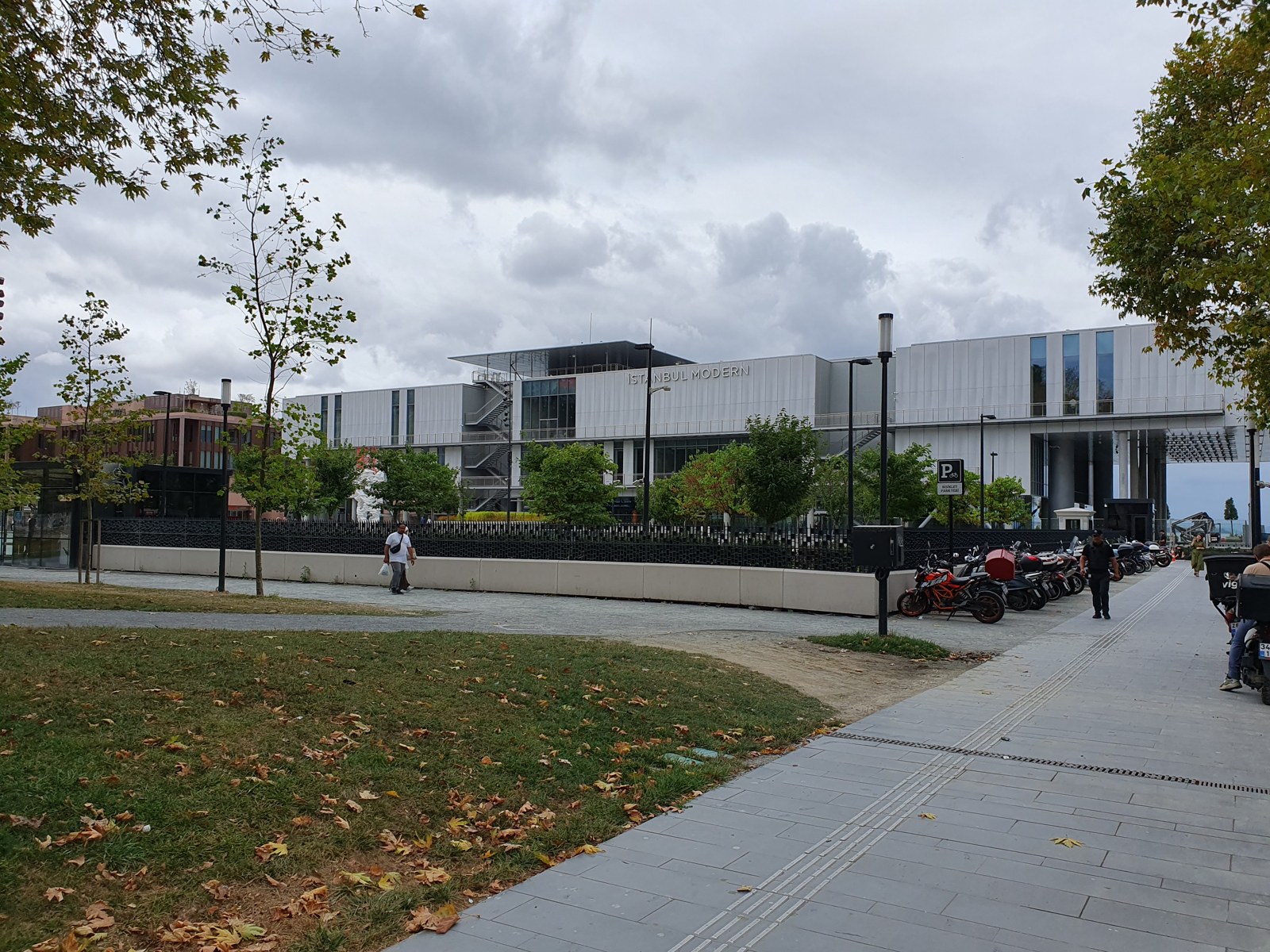
For visitors more drawn to modern and contemporary art, Istanbul Modern is another possible centre for the day. Its waterfront location keeps the outing closer to Karaköy. It can replace Pera, with the remaining time spent around the shore and nearby streets; an art-focused visit need not become a tour of every museum in the district. Istanbul Modern visitor information Official information ↗
The relaxed day pairs coffee and lunch with one art space and a neighbourhood walk. A fuller day brings together Salt, the Galata streets and Pera. The evening can take its own shape afterwards.
Day 3 Kadıköy and Moda
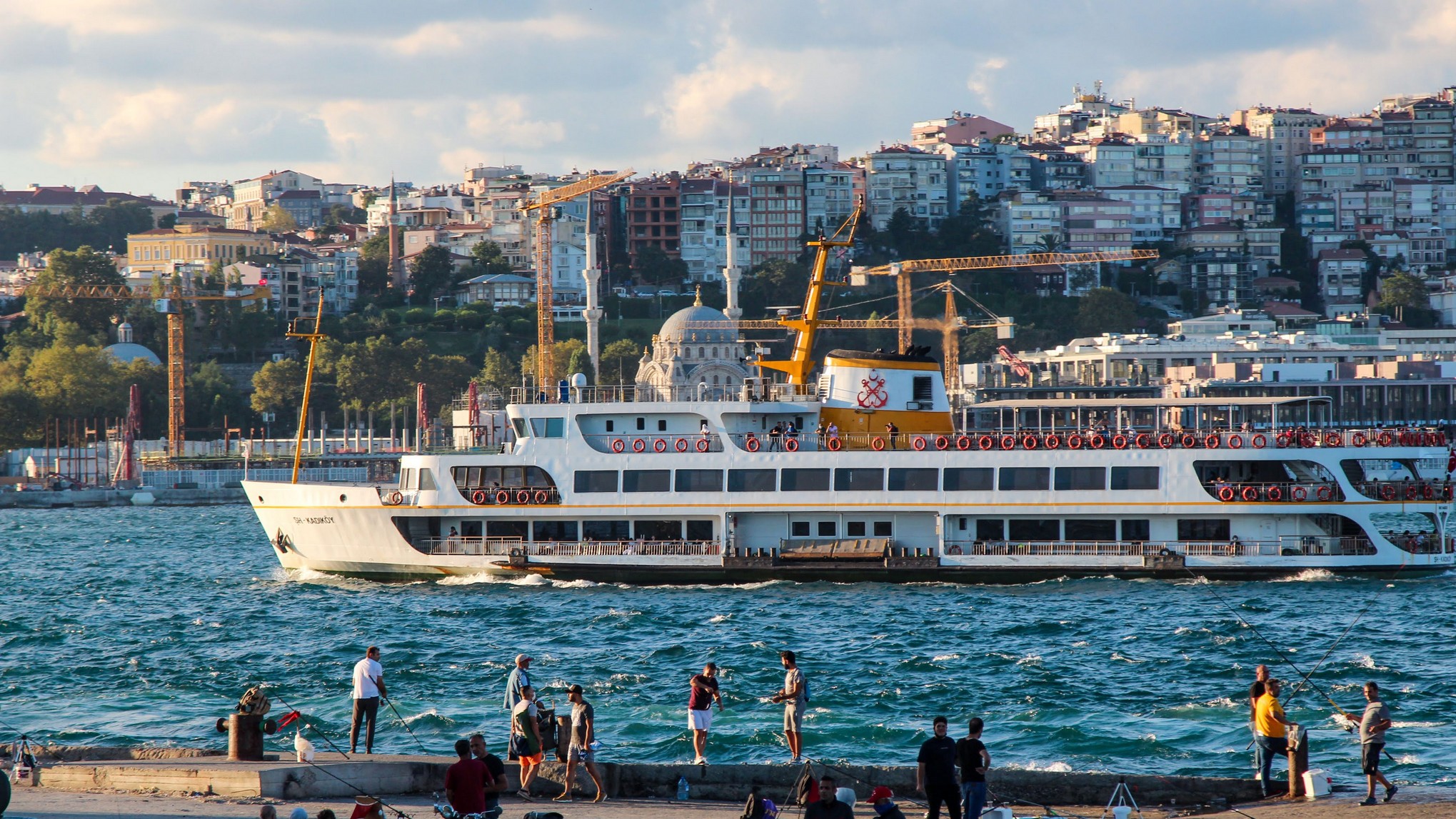
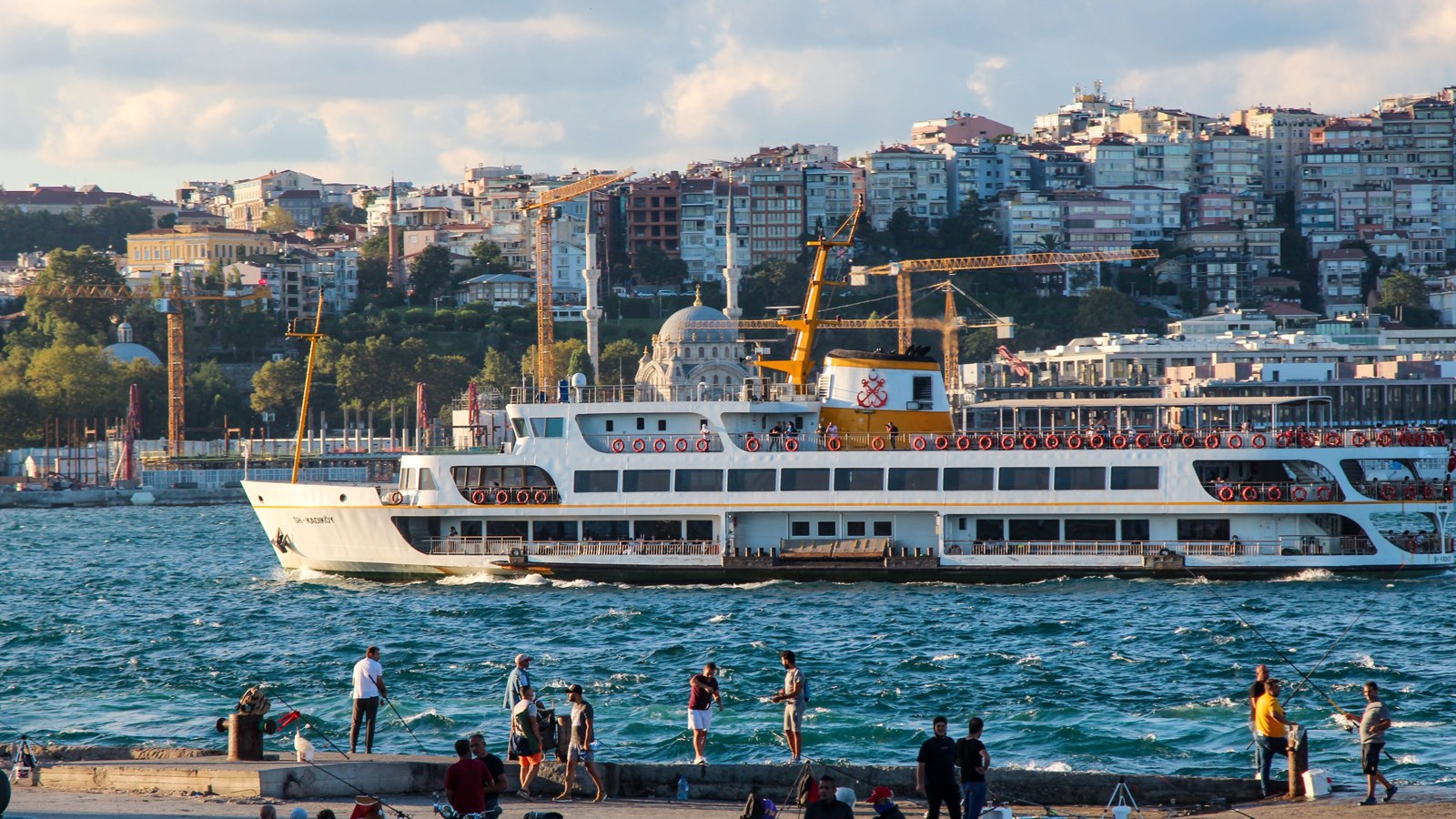
The ferry to Kadıköy is part of the day’s pleasure. Seen from the water, the city’s shores begin to make sense in relation to one another. The view changes throughout the crossing, and arrival brings the immediate bustle of a different waterfront. A public ferry gives this journey its everyday character: for some passengers it is the highlight of a holiday, for others simply the way across town.
The market streets
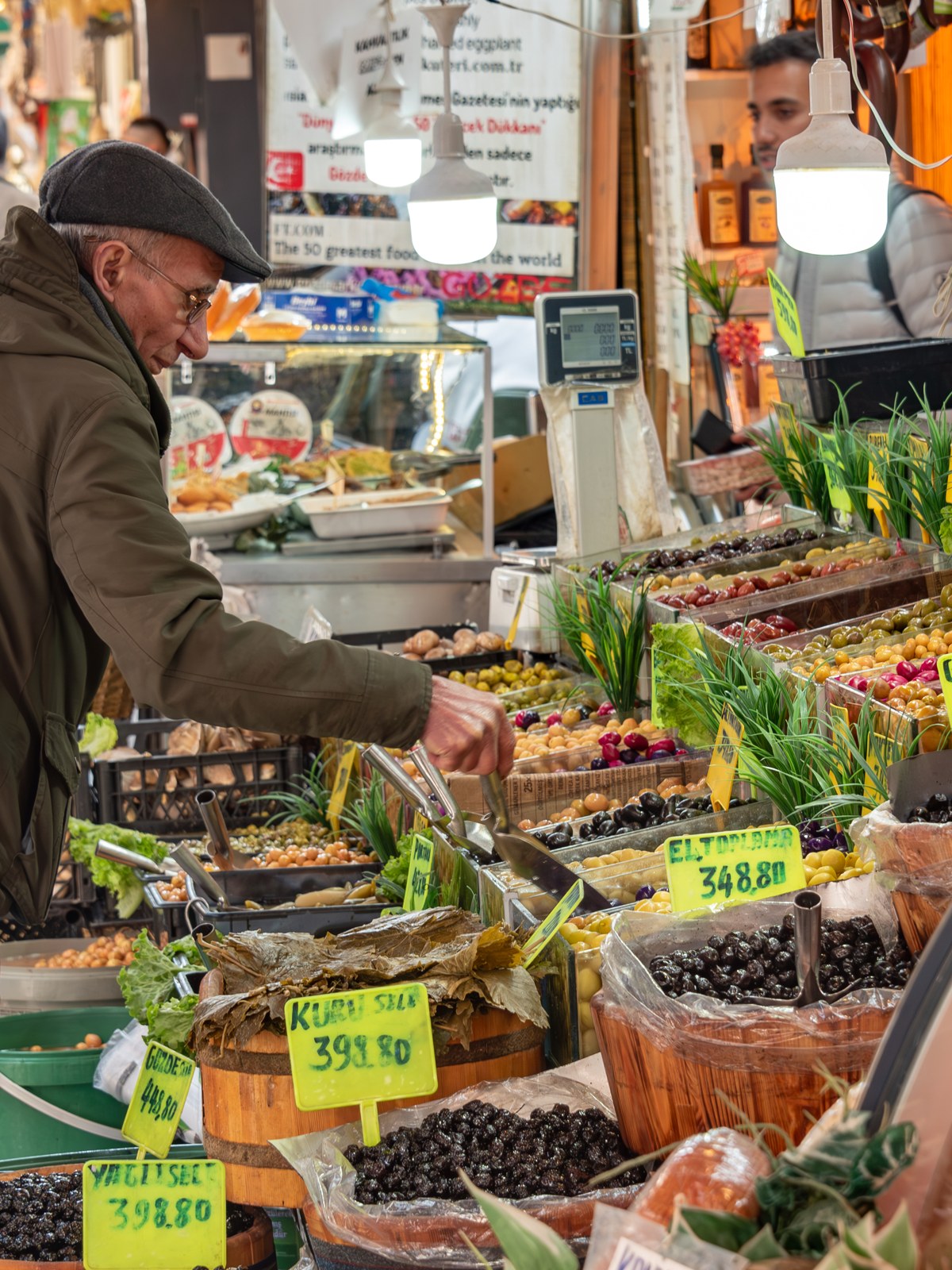
Kadıköy’s central market streets are a good introduction to the neighbourhood. Food shops, produce and people doing ordinary errands give the morning its subject. Browsing here can be as absorbing as a formal visit elsewhere: an unfamiliar ingredient, a display that prompts a question, a small purchase to taste along the way.
Lunch belongs naturally in this part of the day. There is room to follow an appetite rather than an itinerary, whether that means a restaurant chosen in advance or a menu discovered while walking. Sitting down also allows the neighbourhood to become more than a succession of shopfronts.
Through Bahariye to Moda
The walk through Bahariye towards Moda gradually exchanges the intensity of the market for more residential streets. Shops and cafés punctuate the route, and the journey is part of the discovery. The small T3 Kadıköy–Moda tram offers another view of the neighbourhood on its one- way loop, as well as an alternative to some of the walking. Official information ↗
Barış Manço House brings a more personal cultural story into the afternoon. This was the musician’s home, and the museum draws on his life and work with the involvement of his family. For someone arriving with little knowledge of Turkish popular music, it is an invitation to become curious about one of its figures. The municipal site’s introduction provides useful context before a visit; English information throughout the house should not be assumed. Official information ↗
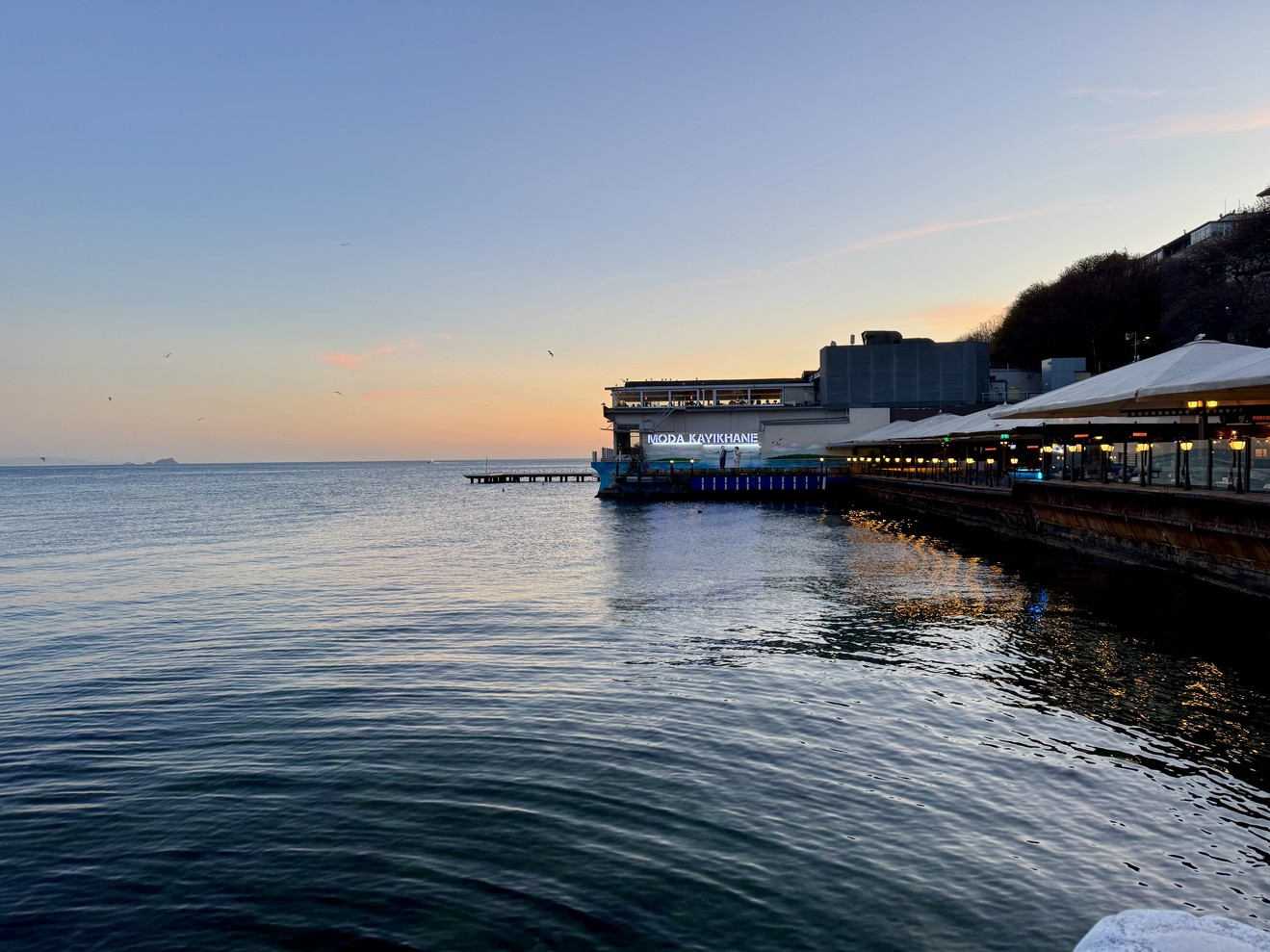
Moda’s waterfront offers an easy conclusion. The sea opens up the view after the closer detail of the streets, and a café afterwards gives the day somewhere to settle. A longer walk, a brief look at the shore or an extra hour over coffee can each make sense here. The return ferry provides one more view of the city, now with a little more familiarity.
A relaxed visit is the ferry, market streets, lunch and a Moda café. The house and a longer waterfront walk make a fuller day for those who want them.
An evening in the city
One cultural evening can add something memorable to a short visit. In Kadıköy, Süreyya Opera House is worth checking against the State Opera and Ballet programme. Beyoğlu offers possibilities for a concert or film after its galleries and streets. The right choice depends on the actual date and venue, so a current programme is more useful than an evergreen list of supposedly essential shows. Official information ↗
Instrumental music and ballet are often straightforward choices for visitors who do not speak Turkish. Opera surtitles and film subtitles need their own language check. Dinner close to where the day ends is an equally good evening; there is no need for every night to become another reservation.
A few practical details
The route is flexible about order. Weekly closing days differ between venues; check the official visitor pages before choosing your sequence. Public and religious holidays need a separate check.
Tickets and visiting notes
Admission, ticket categories and visiting arrangements differ between venues and may change. Use the official links for Hagia Sophia, Topkapı, Pera Museum, Istanbul Modern and Barış Manço House before booking; check foreign-visitor or resident eligibility and holiday access separately. Official information ↗ · Official information ↗ · Official information ↗ · Official information ↗ · Official information ↗
Getting around and choosing the moment
The Şehir Hatları timetable gives current ferry routes and departures, including the Kadıköy– Karaköy–Eminönü connection. Fares, payment options and service notices should be checked for the journey; Marmaray and connecting rail services offer alternatives when needed. These are walking days with hills and uneven paving, rather than verified step-free itineraries. Official information ↗
In winter, the waterfront and park sections are best enjoyed earlier in the afternoon, with a museum, café or performance left for after dark. A wet spell may simply make the cistern or an art museum more appealing. Strong wind or severe weather can affect ferry services and exposed walks, so the official forecast and transport notices are useful final checks. The city’s climate record gives broader seasonal context. Official information ↗ · Official information ↗
English tours, interpretation and event languages vary by venue. For meals, a clear translation of dietary requirements is helpful. Beyond those few preparations, the route leaves plenty to decide in the city itself.
Opening times, admission and transport services can change. Check the linked official information before making a dedicated visit or booking.


.jpg)

_03.jpg)


