Introduction
Airports, ferries, payments and tickets: the details that make arriving in Istanbul easier, whether you are staying for a weekend or settling in for longer.
A little preparation goes a long way in Istanbul. Knowing which airport you are flying into, how to pay for your first journey and where to buy a museum ticket leaves more attention for the city itself. This guide brings the essentials together, with official links for the details that change.
Before you leave
Check the airport code on your booking: IST is Istanbul Airport; SAW is Sabiha Gökçen. They have different transport connections, so save the right airport alongside your hotel’s full address and map pin. For the return journey, check the airport again rather than relying on the airline name.
Entry requirements depend on your nationality and travel document. Start with the Turkish Ministry of Foreign Affairs’ visa information and, where applicable, the official e-Visa guidance. Check passport validity as well as whether you need a visa; a general travel article cannot settle every passport’s requirements. Official information ↗ · Official information ↗
Save your accommodation details, arrival route and essential booking confirmations somewhere you can open without internet. Arrange a way to get online on arrival, and bring a physical payment card plus a little flexibility over how you will pay for transport.
Getting from the airports to the city
The best arrival route depends on your hotel’s neighbourhood, your luggage and the time you land. Compare the complete journey, including transfers and the final walk, rather than choosing by the train or coach ride alone.
Istanbul Airport IST
By metro: the airport’s M11 line connects with the M2 at Gayrettepe. The M2 continues towards central stops including Taksim and Şişhane. This is a useful option when your accommodation is convenient for the rail network. Allow for walking within stations and changes; the airport train does not deliver you directly to Sultanahmet. Check the M2’s official connections and station list when planning your onward route. Official information ↗
By airport coach: Havaist serves Istanbul Airport and several city destinations. Use the Havaist route search to compare the current stop, departure time and fare with your hotel address. A coach can be convenient with luggage, though road traffic affects the journey. Official information ↗
By taxi or arranged transfer: a door-to-door journey may suit a late arrival, a group or heavier luggage. Follow the airport’s signs to the taxi rank, or agree the meeting point and total terms with a booked transfer provider. Confirm the payment method and any tolls or extra charges before leaving. Turkish Airlines’ Istanbul Airport transport information links to the airport’s official taxi information. Official information ↗
Sabiha Gökçen Airport SAW
By metro: the M4 connects Sabiha Gökçen with Kadıköy. For a rail journey across to the European side, change to Marmaray at Ayrılık Çeşmesi. Kadıköy also offers ferry connections. The airport’s metro guide explains the interchanges, and Metro Istanbul’s M4 page gives the station list. Official information ↗ · Official information ↗
By airport coach: Havabüs connects SAW with Kadıköy and Taksim. Check the airport’s Havabüs information and the operator’s current timetable for the direction you need. Official information ↗ · Official information ↗
By taxi or arranged transfer: consider this for a direct journey with luggage, while allowing for traffic and a possible crossing between the Asian and European sides. The airport operator’s transport page lists the official taxi service and other connections. Official information ↗
For either airport, check the last departure of every service you intend to use. Overnight operation on one line does not establish that the whole journey runs through the night. For your flight home, work backwards from your airline’s check-in guidance and leave a margin for the unexpected.
Istanbulkart and public transport
An Istanbulkart is a rechargeable travel card and a practical starting point for getting around. The city’s official visitor card guide explains the available products, where to buy them and how to top up. Look for BELBİM-branded vending machines or authorised sales points, and check which product you are buying: a rechargeable Istanbulkart, a limited-use ticket and a time-based visitor card serve different needs. Official information ↗
Keep these points in mind:
– Separate the card cost from travel credit. Check the balance after buying or topping up, and consult the current fees and limits before loading a large amount. Official information ↗
– Budget cautiously for connections. The municipality’s personalisation policy ties benefits such as transfer discounts and distance-based refunds to personalised cards. Visitors using an unpersonalised card should not assume they receive those benefits. Official information ↗
– Have a payment fallback. The city lists contactless bank cards as another transport payment option, but do not make a particular foreign card, phone wallet or app your only plan. Check the fare and accepted payment method on the service or machine you are using.
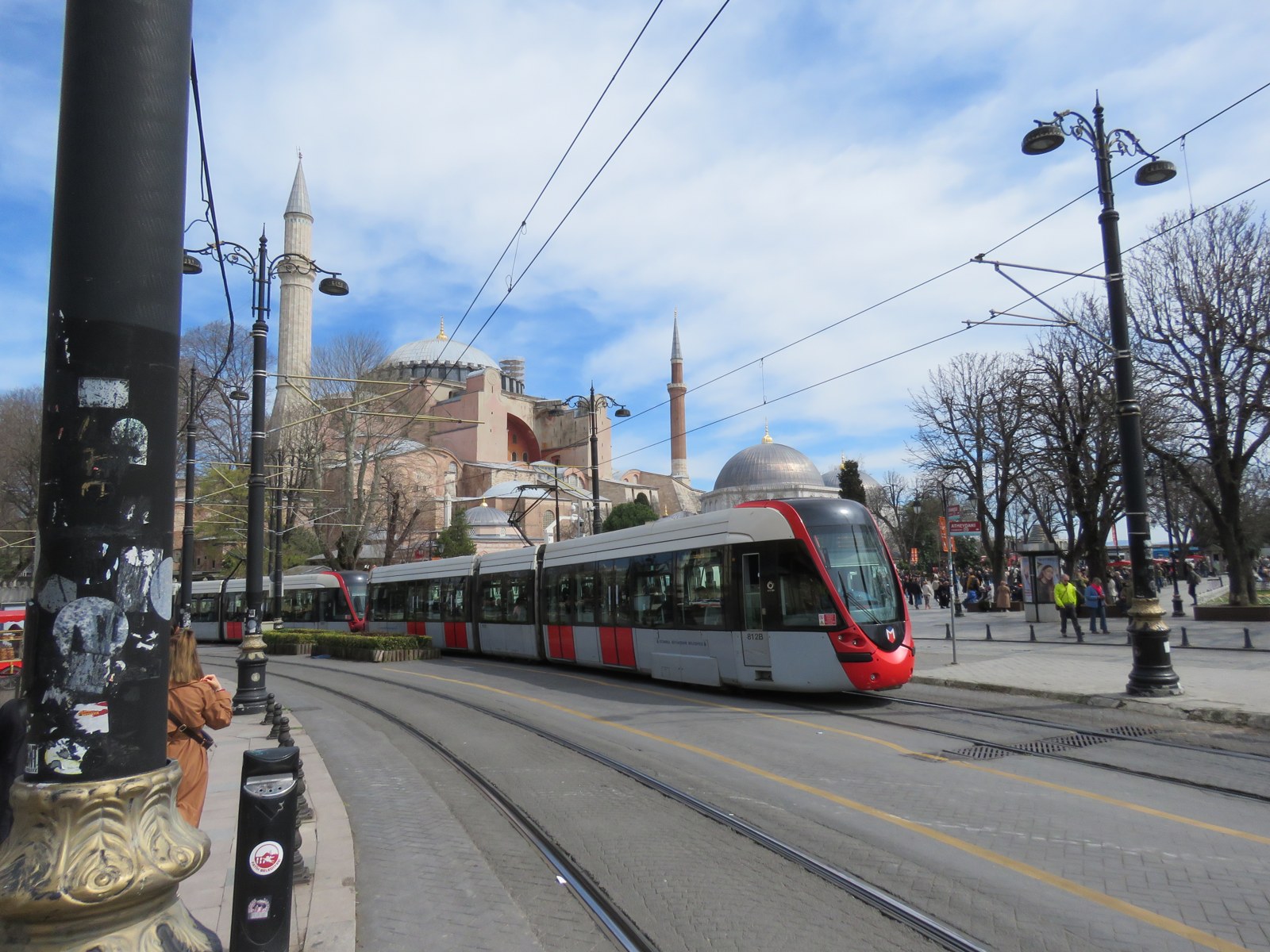
For most visitors, learning a few useful connections is more helpful than memorising the whole network. The T1 tram links Sultanahmet, Gülhane, Sirkeci and Eminönü with Karaköy and Kabataş. The M2 serves Taksim and Şişhane, while the M4 is useful for Kadıköy and the airport on the Asian side. Marmaray provides a rail crossing between the two sides of the city. Official information ↗
Use Metro Istanbul for line information, maps, timetables and announcements. A map app is helpful for orientation, but check the operator when a late service or disruption could change your plans. Official information ↗
Taking the ferries
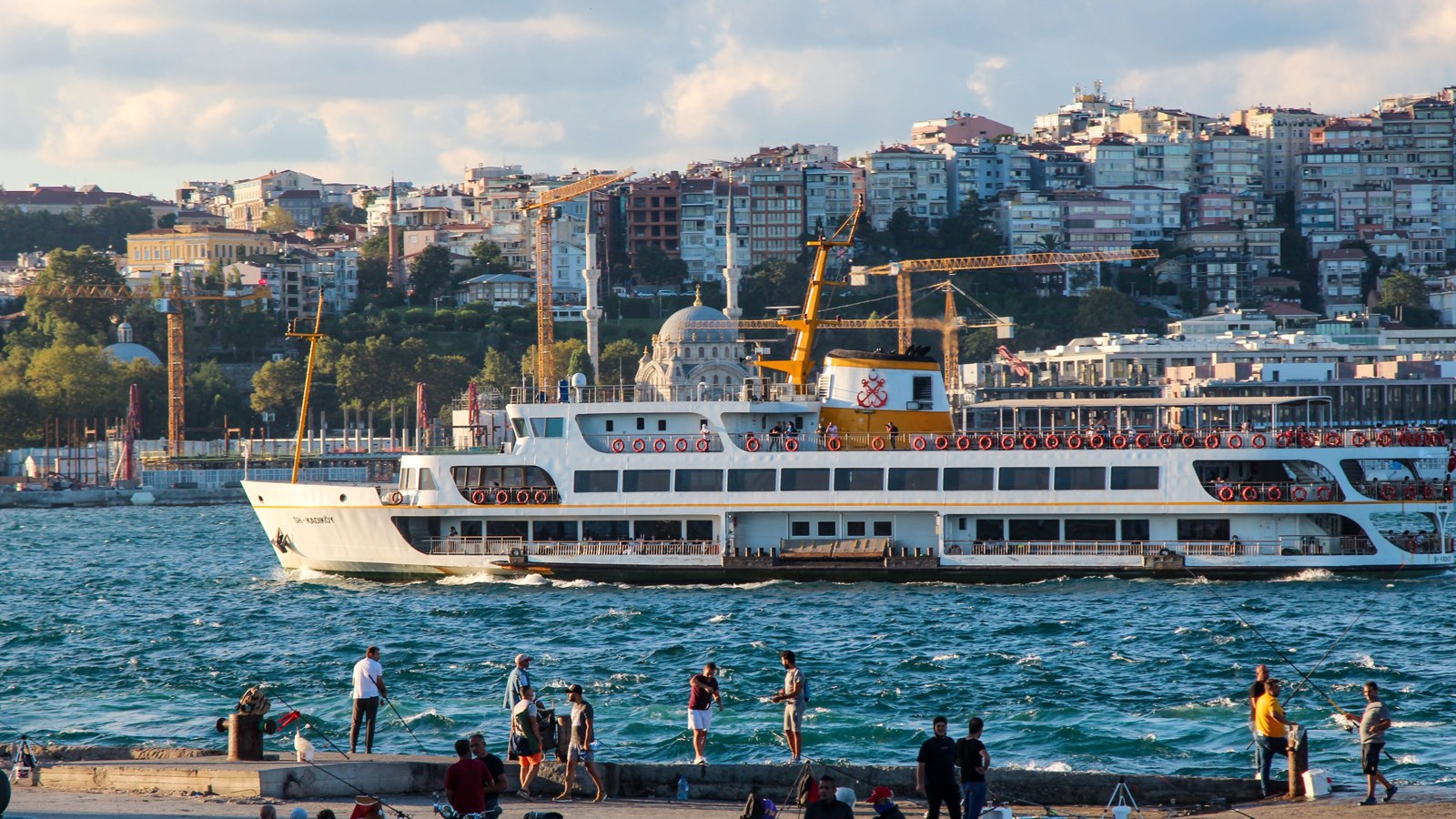
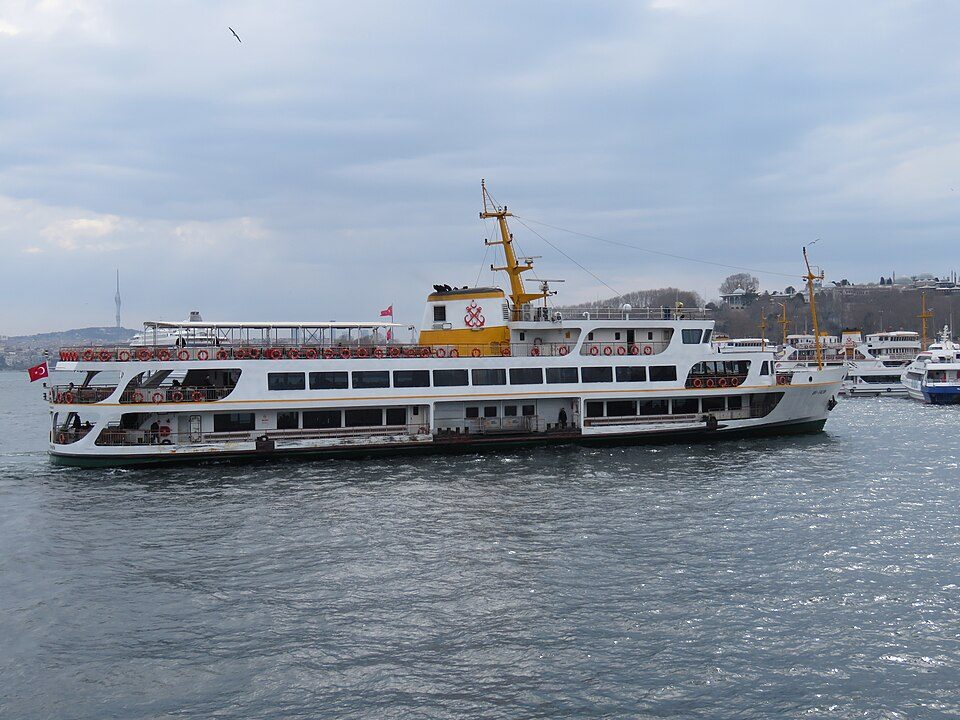
A ferry crossing can be both everyday transport and one of the pleasures of a visit. Şehir Hatları runs routes connecting waterfront neighbourhoods, including Kadıköy, Karaköy, Eminönü and Üsküdar. Its official timetables separate ordinary routes, Princes’ Islands services and Bosphorus tours. Official information ↗
Choose the route first, then confirm the departure pier. Several operators and departure points can share the same waterfront, so the neighbourhood name alone may not be enough. Check the return sailing before spending an evening across the water, and look at service announcements if conditions are poor. Official information ↗
For a simple crossing, an ordinary public service may be all you need. For a longer sightseeing trip, compare the dedicated Bosphorus tours, including their duration, stops and ticket arrangements. Check the fare for the actual service rather than assuming every boat uses the same ticket.
Money and payments
Türkiye uses the Turkish lira, usually written as TL, with TRY used in currency listings. Carry a modest amount of cash for small purchases or a payment problem, alongside your cards. Before ordering or taking a service, check the currency and the final price, especially where a menu or quote is aimed at international visitors.
If a card terminal or ATM offers to convert a lira payment into your home currency, read the exchange rate and fees before accepting. Choosing lira avoids the merchant’s or ATM’s optional currency conversion, although your own bank’s charges can still apply. Visa’s explanation of paying abroad sets out the distinction. Official information ↗
At an ATM, review any withdrawal fee before confirming. For cash exchange, compare the amount you will actually receive after commission. A published exchange rate is a reference point, not a promise about the rate at a counter or on your card statement.
Internet and mobile data
Sort out your arrival connection before you travel. Compare your home provider’s roaming terms with a local tourist SIM or eSIM, checking Türkiye coverage, validity, activation requirements and whether your phone is compatible and unlocked.
Buy through the operator or a clearly identified authorised seller. For example, Turkcell’s tourist information explains its physical SIM and eSIM options and the identity checks involved. Its self-service eSIM activation has specific device and passport requirements; do not assume every visitor can use the same app-based process. Official information ↗
The city also provides İBB Wi-Fi in public locations. Treat public Wi-Fi as a useful extra while keeping your address, map and tickets available offline. Registration and coverage can affect how quickly you connect, particularly when you have just arrived. Official information ↗
Museum tickets and reservations
Istanbul’s major sights use different ticket systems. Start at the institution’s own website and follow its booking link, checking the visitor category, included sections, date or time restrictions and cancellation terms before paying.
MuseumPass Istanbul
The Ministry of Culture and Tourism’s MuseumPass Istanbul currently runs for five days from the first museum visit, with one admission to each participating museum. Check the current included sites and opening status before deciding whether it fits your plans. Night-museum admission has separate restrictions. Official information ↗
Compare the pass with the museums you genuinely want to visit. A long list of included places is only useful if it matches your interests and available time. The similarly named Müzekart has its own eligibility and conditions; do not buy on the assumption that the two products are interchangeable.
Palaces, the Basilica Cistern and Hagia Sophia
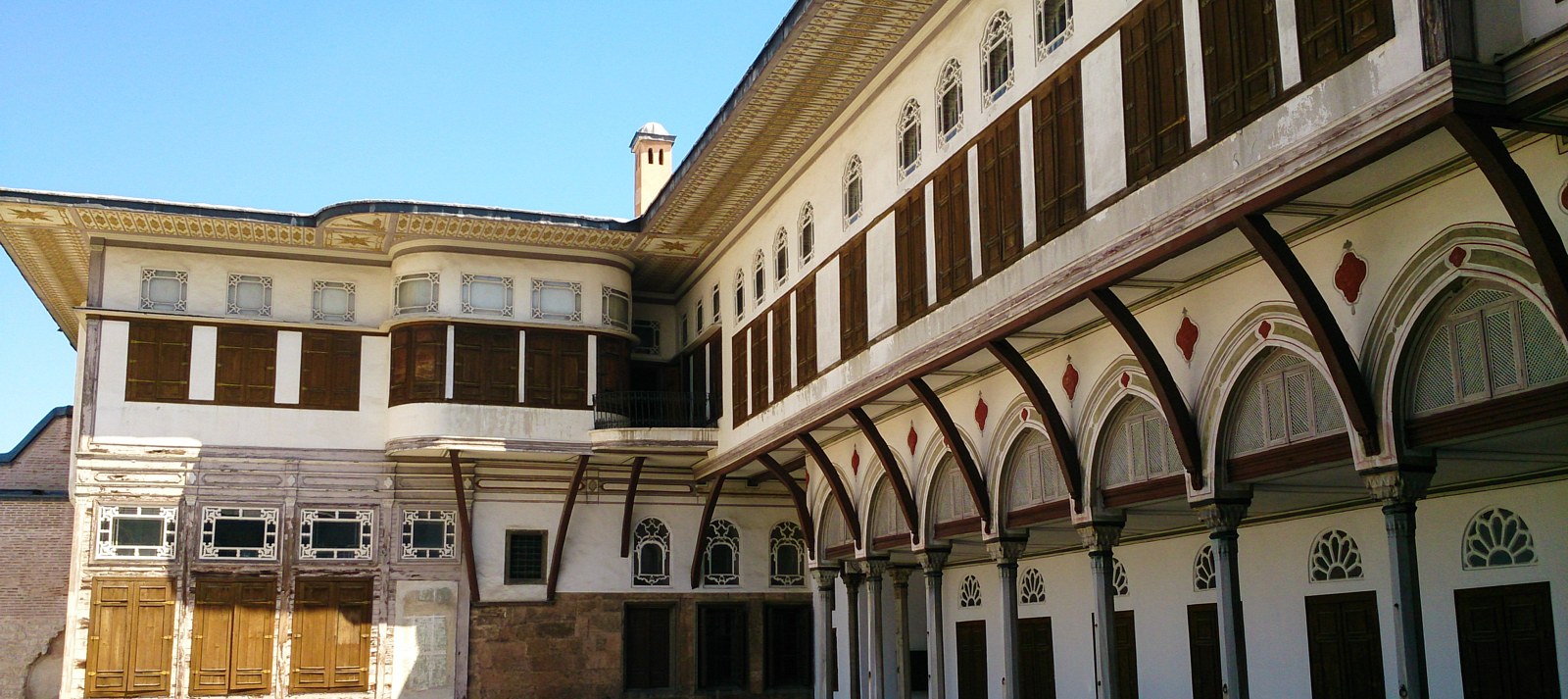
For Topkapı and the other National Palaces sites, use National Palaces visitor information. Check the exact ticket’s included sections and choose the appropriate foreign-visitor category. Recheck holiday arrangements before building a day around a visit. Official information ↗
The Basilica Cistern has separate municipal ticketing. İBB Kültür AŞ’s museum page on Passo lists Yerebatan Sarnıcı, its Turkish name. Follow the current listing rather than assuming a museum pass covers admission. Official information ↗
At Hagia Sophia, the cultural-visitor route and the worship entrance are distinct. The Ministry’s visitor-route explanation describes the gallery access. Check current arrangements before visiting, and follow the dress and access guidance at the entrance. Official information ↗
For any sight, distinguish admission from a guided tour or other package. Read what a “skip-the-line” offer actually covers; do not assume it removes security checks. Book ahead when a particular time or experience matters, but leave some room in the day around the reservation.
A few details worth keeping handy
Accessibility: check the complete route, including the street approach, station exit and attraction entrance. Metro Istanbul provides accessibility information; confirm any essential lift access before relying on it. For accommodation, ask about steps between the street and the room, rather than simply whether the building has a lift. Official information ↗
Emergencies: call 112 for emergency assistance. Save your accommodation’s full address and your travel insurer’s contact details. The official 112 service brings emergency services under a single number. Official information ↗
Pharmacies: the term nöbetçi eczane means an on-duty pharmacy. The Istanbul Chamber of Pharmacists maintains current listings; use the date and district relevant to you, and call ahead where possible. Official information ↗
Weather: check the Turkish State Meteorological Service’s Istanbul forecast shortly before heading out. On a day built around ferries, the operator’s sailing notices matter as much as the forecast. Official information ↗
Once the essentials are in place, you can let the day loosen up a little. Keep the return route and the next booking in mind, then leave yourself time for the waterfront, a meal or a street that looks worth following.
Opening times, admission and transport services can change. Check the linked official information before making a dedicated visit or booking.